
Illustration: Keystone Daily (AI-generated). Conceptual image; it does not depict real people or events. How we use AI.
Developing story
Seattle Mayor Katie Wilson announced on Oct. 21 that the city will use a Pioneer Square outreach model, which housed nearly 90% of people living outside there, across the city. The plan depends on building new shelter units and on City Council support.
According to the Seattle Times, Seattle Mayor Katie Wilson said on Oct. 21 that the city plans to broaden an outreach approach citywide; earlier this year, that approach helped nearly 90% of people staying outdoors in Pioneer Square find housing.
The Pioneer Square effort took place during the World Cup. Outreach workers listed everyone who was homeless in the neighborhood and worked to find the right place indoors for each person. Of 80 people, 70 got into shelter or housing, the Times reported. Only three declined any help.
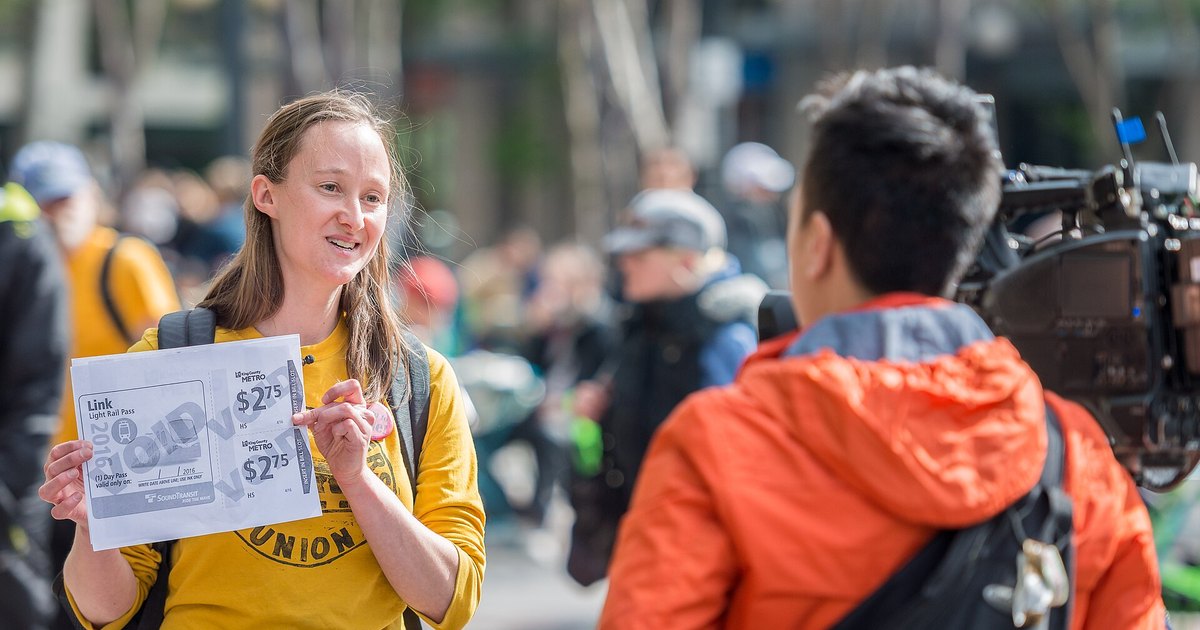

Under Wilson’s proposal, people struggling with mental health or addiction, along with those living in public spaces, would receive priority. She stated that every new shelter bed will be set aside for individuals whom outreach workers determine are in greatest need.
“Our public parks and public sidewalks belong to the public.”
Wilson said the city will keep clearing encampments at its current pace.
The plan depends on new shelter. Wilson cut her initial goal of 1,000 new units a year. Her team now seeks 960 in her first two years, and about 400 should be operating by the end of this year, she said.
She said the outreach work uses existing city dollars. Her proposed budget for next year includes $37 million to expand shelter, and she needs City Council support to make it happen, the Times reported.
Wilson conceded that the city lacks enough shelter to meet demand. According to the Times, thousands of people are believed to be sleeping in tents, cars and on the streets of Seattle.
Wilson declined to say where the model would be used first or what the plan would cost in total. Jon Scholes, who leads the Downtown Seattle Association, praised the plan and called it built on “what we know works.”
This story is developing and will be updated.
Sources
What it means for you
- Wilson’s proposed budget for next year includes $37 million to expand shelter, and the City Council must back it.
- The Times reported that the most sought-after kinds of shelter, with health care, cost about $45,000 to $90,000 per unit per year.
- Encampment clearings will continue at the current pace, Wilson said, with a stated aim of keeping parks and sidewalks open for public use.
- Watch for two answers Wilson has not given: where the model starts and what the plan costs in total.